There are no items in your cart
Add More
Add More
| Item Details | Price | ||
|---|---|---|---|

Thu Apr 16, 2026
Preparing for the NISM Series XIII exam can feel overwhelming at first glance. With a vast syllabus, technical concepts, and the pressure to clear it in the first attempt, many students and MFDs often delay starting altogether.
However, the reality is much simpler than it appears.
This article breaks down everything you need to know - from whether you should even attempt the exam to how much time it realistically takes, along with the right strategy to clear it efficiently.
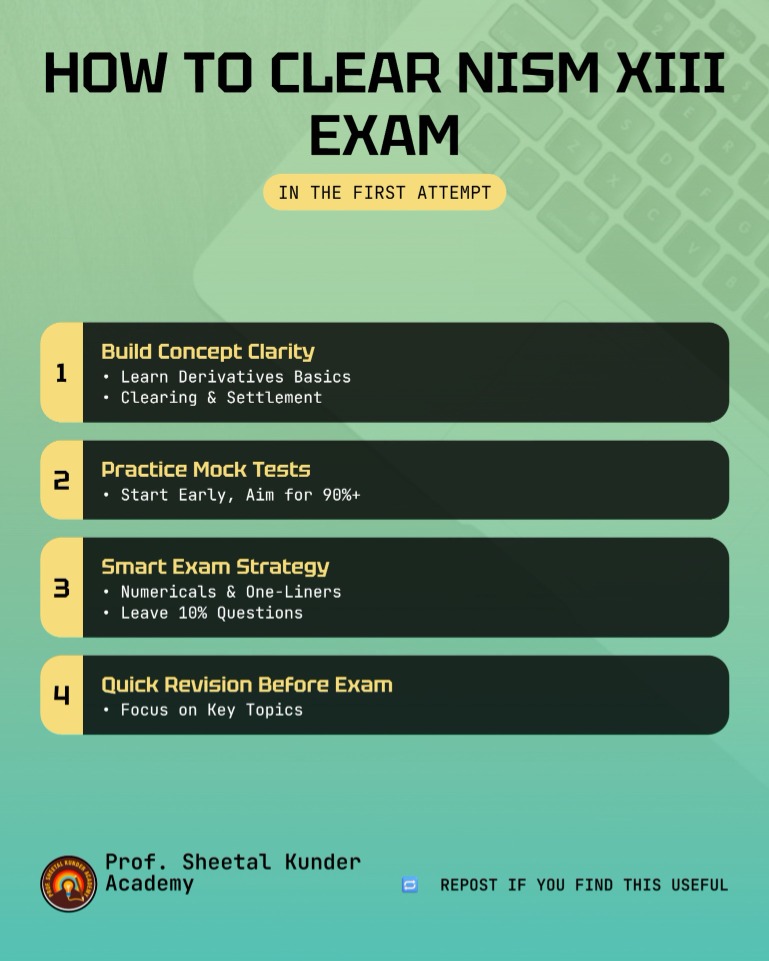
Before thinking about preparation, you need to answer one important question: Should you even pursue this certification?
If you are already managing a decent AUM or planning to expand your distribution business, this is not just an academic qualification. It is a strategic business decision.
With the emergence of SIF (Specialised Investment Funds) as a new category, distributors now have an opportunity to diversify their offerings and unlock additional revenue streams.
Moreover, today’s investors are becoming increasingly aware. Many of them are in touch with registered investment advisors who may suggest adding such products to their portfolio. If you are not equipped to offer them, the client is likely to switch to another distributor who can.
In simple terms, this exam helps you stay relevant and competitive in a rapidly evolving financial landscape.
One of the most common questions students ask is: How long will it take to prepare?
The answer depends largely on your background:
However, rather than focusing solely on days, it is better to think in terms of focused study hours.
On average, 30–35 hours of dedicated preparation is sufficient to clear the exam - provided you follow the right strategy.
The key is not how long you study, but how effectively you study.
Despite the benefits, many MFDs hesitate to attempt this exam. The reasons are quite common:
But here’s the important insight:
This exam is not about memorising everything.
It is about understanding concepts clearly.
Once your fundamentals are strong, the syllabus becomes much more manageable, and retention improves naturally.
A structured approach can significantly reduce your preparation time and increase your confidence.
Start with the core concepts:
These topics form the backbone of the exam and are heavily tested.
Once your basics are clear, shift your focus to:
The goal is to move from general understanding to specific application.
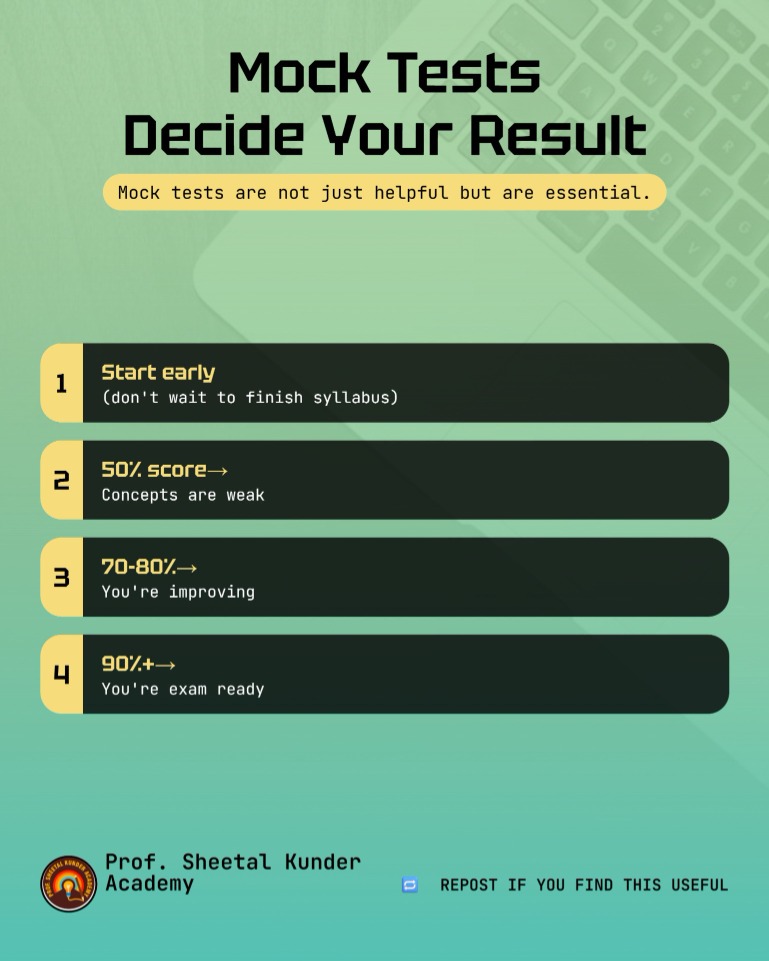
Mock tests are not just helpful but are essential.
Instead of waiting to complete the entire syllabus, you should start attempting mock tests early in your preparation. This helps you:
Your scores will guide your preparation:
Consistent mock practice is one of the biggest differentiators between those who clear the exam and those who don’t.
The exam consists of 150 questions with negative marking, so your approach needs to be smart and calculated.
Here are some key strategies:
Focus on:
A balanced approach between accuracy and attempt rate is crucial.
Understanding the weightage of topics can help you prioritise effectively.
Many students tend to ignore interest rate derivatives, but that is not advisable.
These sections often contain repetitive and predictable questions, making them an easy scoring opportunity if prepared well.
One of the biggest myths about this exam is that only people with a strong background in finance or trading can clear it.
Real examples prove otherwise:
These examples highlight an important lesson:
Your background does not determine your success.
Your strategy, consistency, and discipline do.
A well-structured preparation plan typically looks like this:
This phased approach ensures both understanding and retention.
Exam day performance depends not just on knowledge, but also on stamina and focus.
The exam lasts 3 hours, and many candidates feel mentally exhausted after the first 2 hours.
To manage this effectively:
Mental clarity during the exam can make a significant difference in your final score.
This certification is more than just an exam; it is a gateway to future opportunities.
It enables you to:
In today’s market, clients expect more than basic investment options. Being equipped with advanced knowledge helps you meet those expectations effectively.
The opportunity is already present in the market.
The only question is whether you are ready to act on it.
Whether you are a beginner or an experienced professional, clearing the NISM XIII exam is absolutely achievable with the right approach.
With 30–35 hours of focused effort, a clear strategy, and consistent practice, you can confidently clear this exam in your first attempt and unlock new growth opportunities in your career.

Prof. Sheetal Kunder
SEBI® Research Analyst. Registration No. INH000013800 M.Com, M.Phil, B.Ed, PGDFM, Teaching Diploma (in Accounting & Finance) from Cambridge International Examination, UK. Various NISM Certification Holders. Ex-BSE Institute Faculty. 18 years of extensive experience in Accounting & Finance. Faculty Development Programs and Management Development Programs at the PAN India level to create awareness about the emerging trends in the Indian Capital Market, and counsel hundreds of students in career choices in the finance area
 Launch your Graphy