There are no items in your cart
Add More
Add More
| Item Details | Price | ||
|---|---|---|---|

Tue Feb 10, 2026
In the world of high-stakes operations, a mission is rarely won by a single heroic act; it is won through the relentless, boring, and often difficult adherence to a plan
One of the most powerful analogies discussed in the podcast is the journey to the top of a skyscraper like the Burj Khalifa
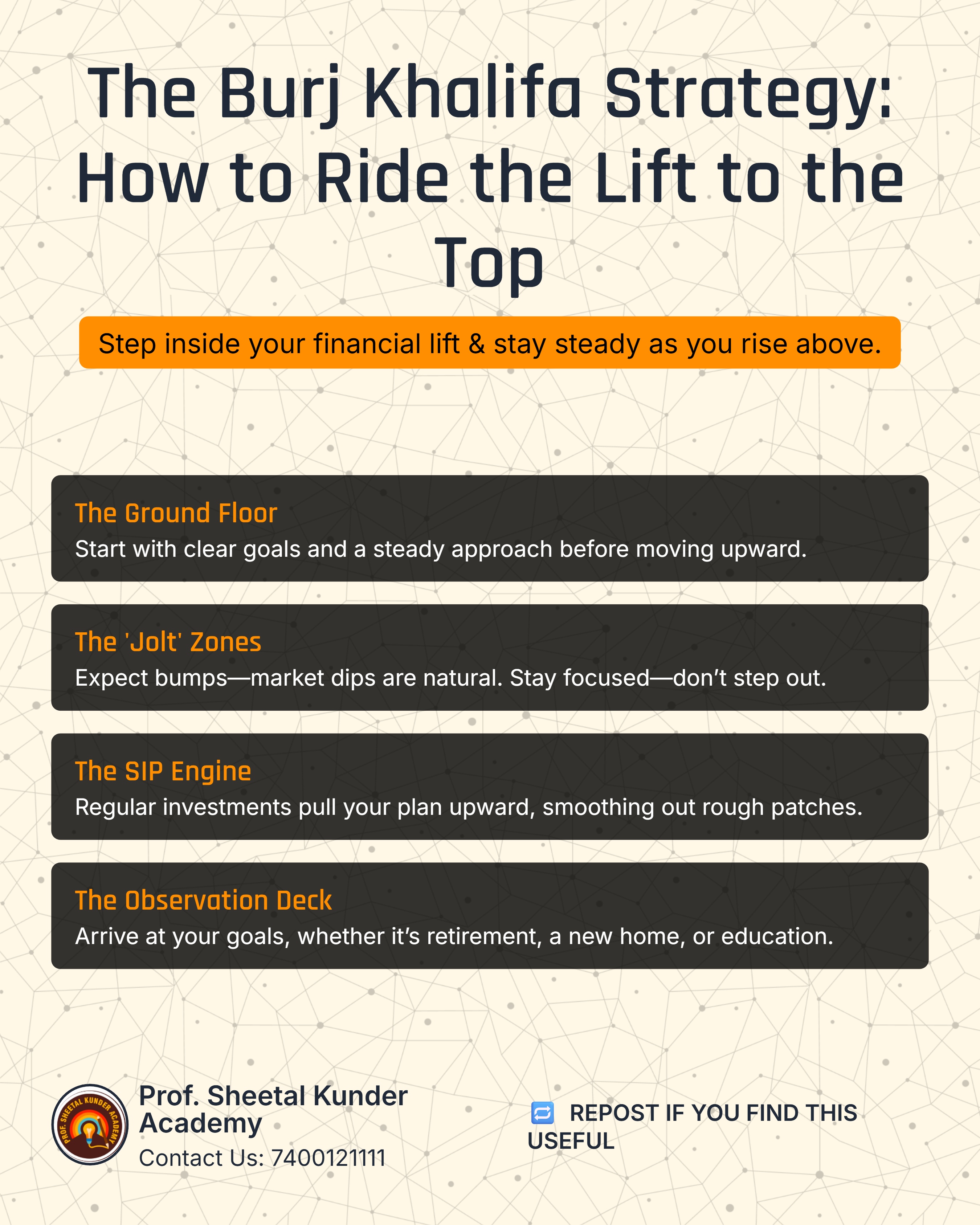
Colonel Anand notes that many new investors, especially over the last five years, treat the stock market like a "magic box"
The Magic Box Fallacy: Many believe they can put money in, say "abracadabra," and take out a fortune instantly
The 100-Meter Race vs. The Marathon: A short-term sprint is prone to accidents
Skin in the Game: Discipline also means testing your own theories
While most people celebrate when markets "run up," the Colonel believes that true wealth is actually built when the market "goes down"
The SIP Advantage: During the 2008 financial crisis, many panicked and stopped their investments
Lowering the Cost: Those who continued their Systematic Investment Plans (SIPs) during the crash were able to buy more units at a significantly lesser cost
The Recovery Bonus: When the market eventually came back, these "discounted" units provided a tremendous jump in portfolio value
Patience as a Skill: Discipline is having the patience to see a fund underperform for 2-3 years and still trust the long-term fundamentals
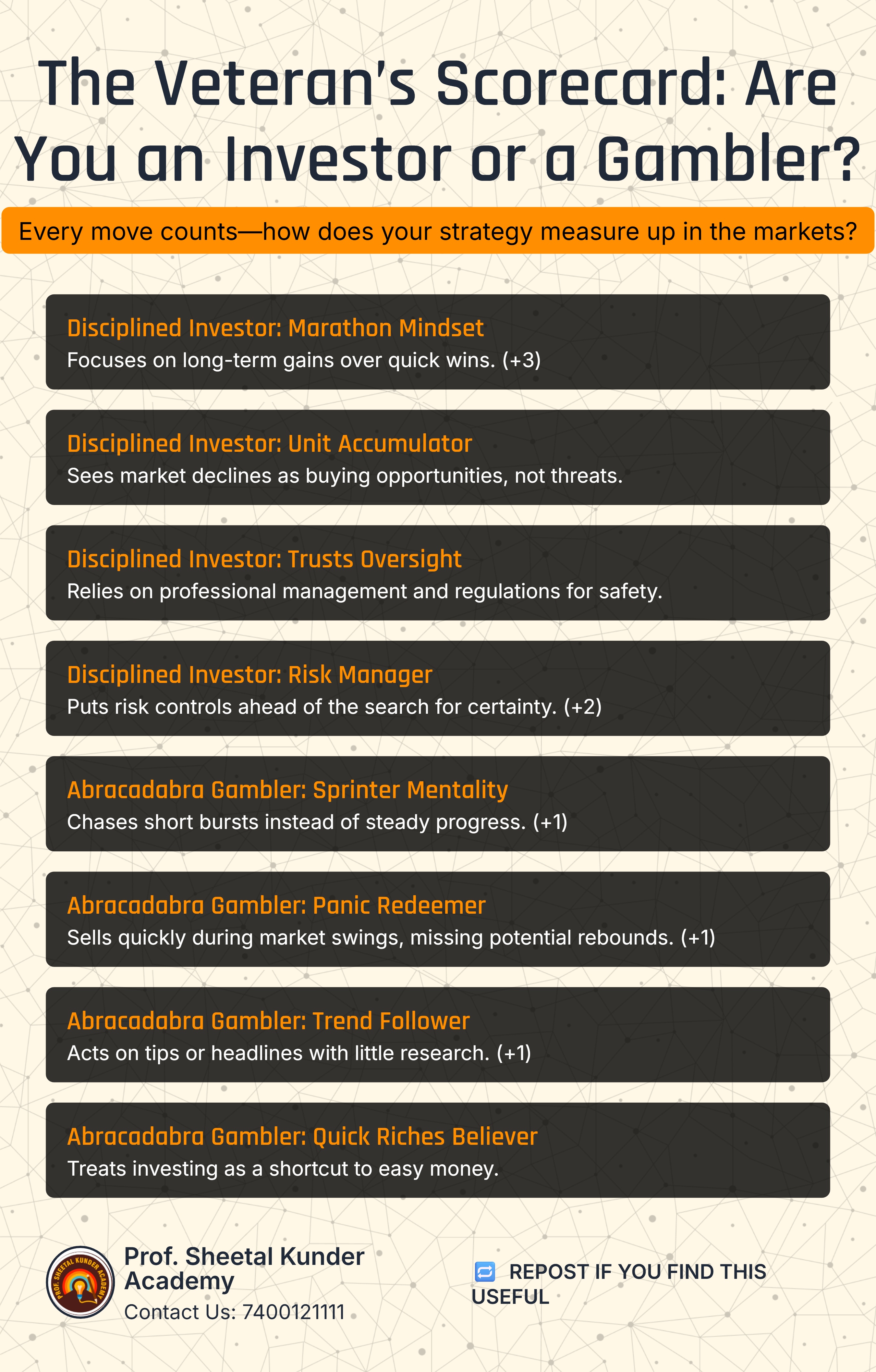
A common mistake for investors is trying to do the market's job while neglecting their own
Your Core Mission: As an investor, your primary job is to focus on your core work, generate income, and maintain your discipline
The Market’s Mission: The market's job is to fluctuate and provide opportunities
Delegating Command: This is why Colonel Anand advocates for Mutual Funds
In military terms, a disciplined unit is a safe unit
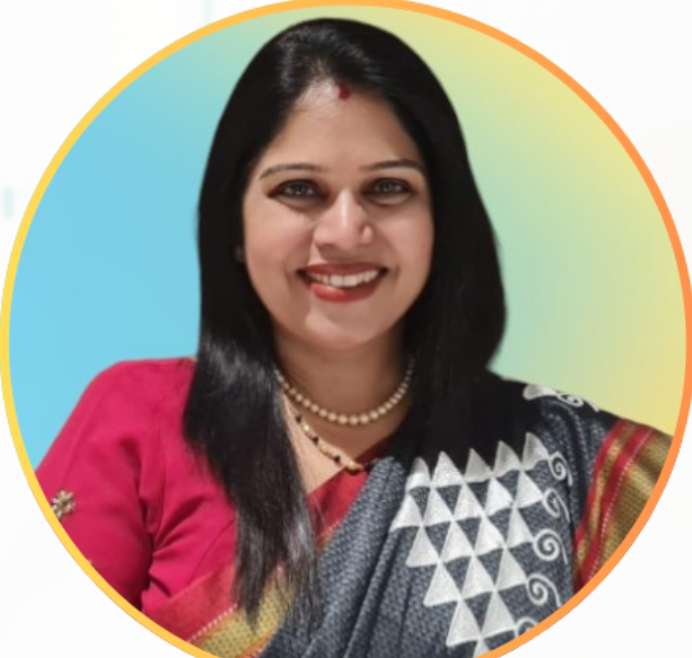
Prof. Sheetal Kunder
SEBI® Research Analyst. Registration No. INH000013800 M.Com, M.Phil, B.Ed, PGDFM, Teaching Diploma (in Accounting & Finance) from Cambridge International Examination, UK. Various NISM Certification Holders. Ex-BSE Institute Faculty. 18 years of extensive experience in Accounting & Finance. Faculty Development Programs and Management Development Programs at the PAN India level to create awareness about the emerging trends in the Indian Capital Market, and counsel hundreds of students in career choices in the finance area
 Launch your Graphy